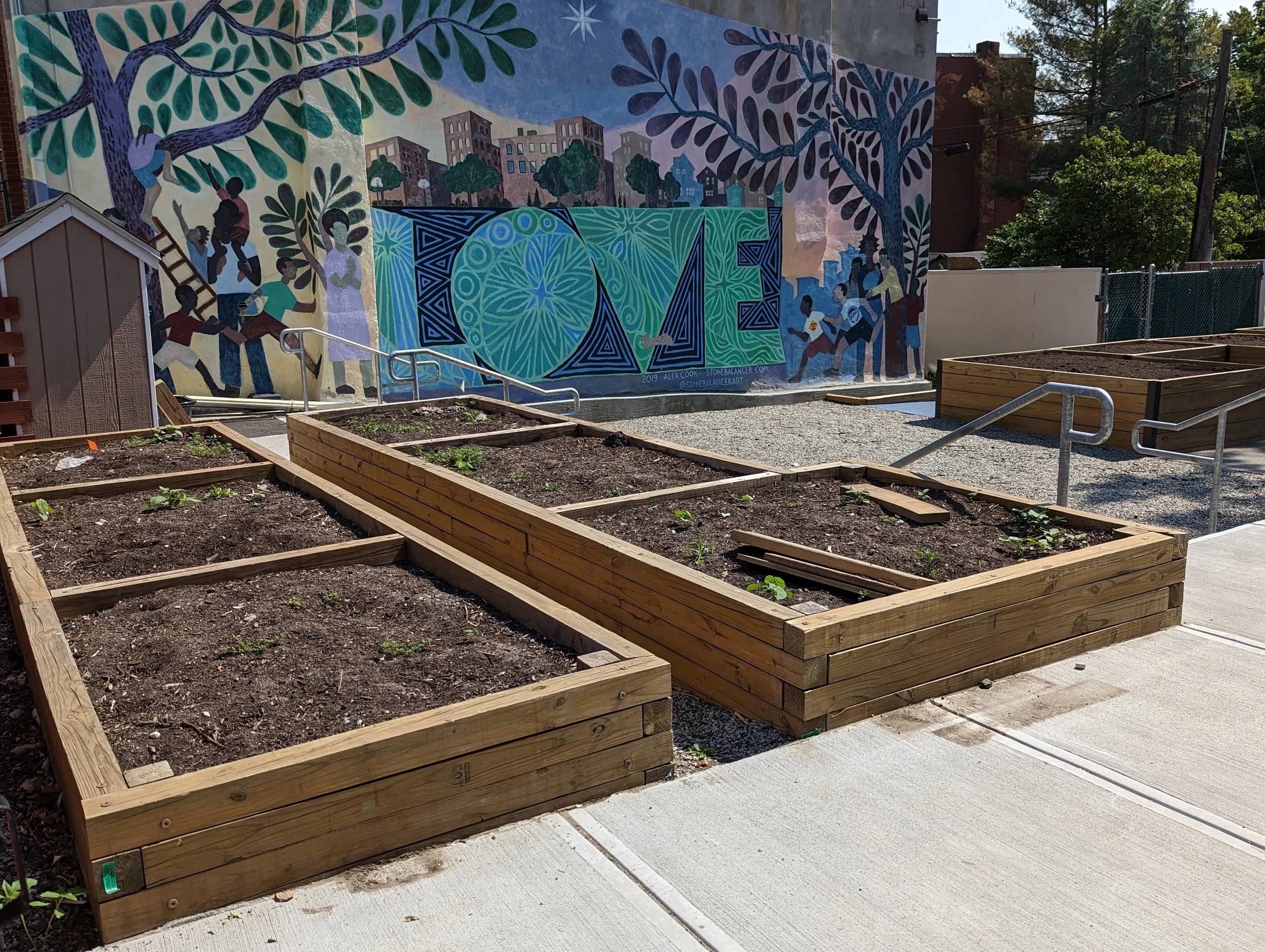
A community land trust (CLT) is a nonprofit organization that owns and stewards land and is led by the local residents and stakeholders who make use of that land. The organization makes sure that the homes, buildings, and any developments on CLT land are affordable, sustainable, and accessible to the community. For example, in an urban neighborhood, a community land trust led by working-class communities of color can develop permanently affordable housing to act as a measure to prevent gentrification.
How is this possible?
Over the years, community land trusts have developed unique features and strategies.
Community-led board of directors - Community Land Trusts have intentional governance structures that dictate who serves on the board of directors. This ensures that the board consists of neighborhood residents and stakeholders, and that those who are most directly impacted are making decisions about land use.
Lease agreements - A community member who purchases a CLT home will lease, rather than own, the land underneath the house. Separating the value of the land from the building makes the home significantly more affordable. The lease requires the property to be resold as an affordable home below market rate, thus giving the next family or community member the chance to enjoy an affordable home as well. Learn more about this.